









Richard Ramirez (1960–2013), known by the nickname “Night Stalker,” is one of the most notoriously infamous serial killers in the United States. He terrorized California in 1984–1985 through a series of particularly violent crimes, including murders, rapes, assaults, and burglaries, committed against victims with no specific profile (women, men, the elderly, and children). This unpredictability greatly contributed to the media panic surrounding the case.
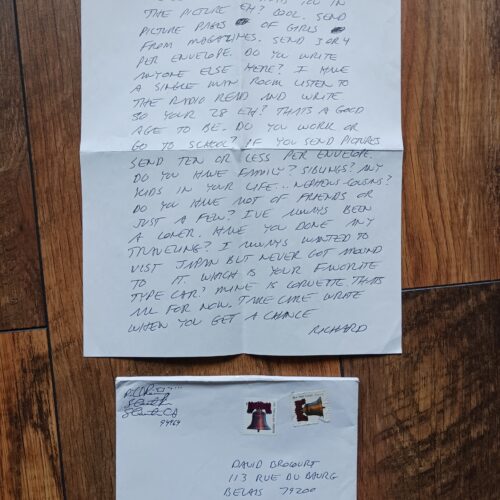
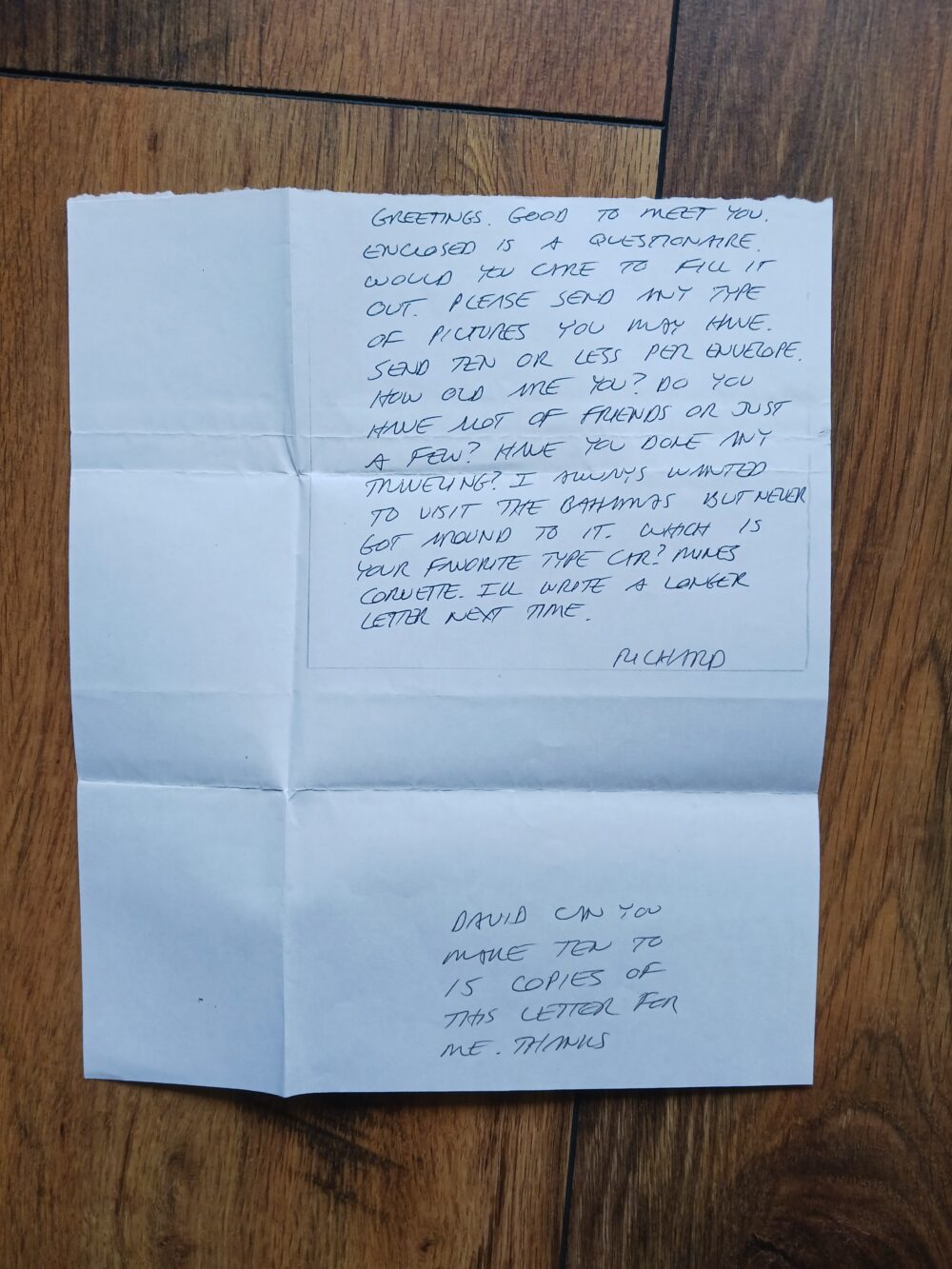
His trial, which began in the late 1980s, became a major media phenomenon. Ramirez cultivated a provocative image—black clothing, references to Satanism, and an arrogant attitude in court—that fascinated part of the press and the public. Controversially, he even received letters from female admirers and married while in prison in 1996, fueling debates about the “celebrity” status of serial killers and media sensationalism.
Sentenced to death in 1989 for 13 murders (although the actual number of victims is likely higher), Richard Ramirez was never executed. He died on June 7, 2013, at the age of 53, from complications related to B-cell lymphoma, a form of blood cancer. The official cause of death was respiratory failure, worsened by the disease and his already severely deteriorated health after years of incarceration.
Today, his name remains associated with numerous documentaries, books, and true crime series, often cited as an example of the darker side of media fascination with violent criminals.