
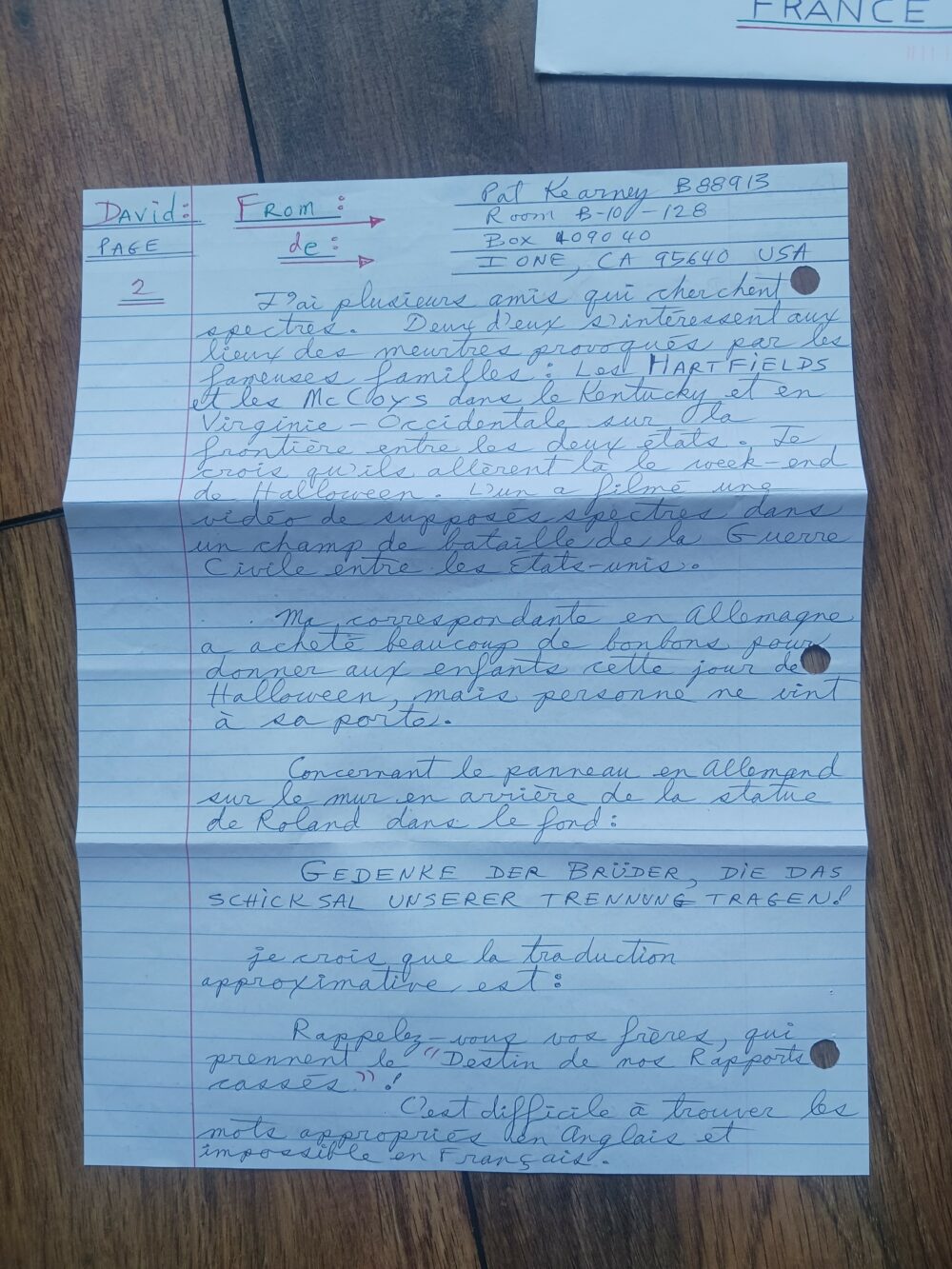
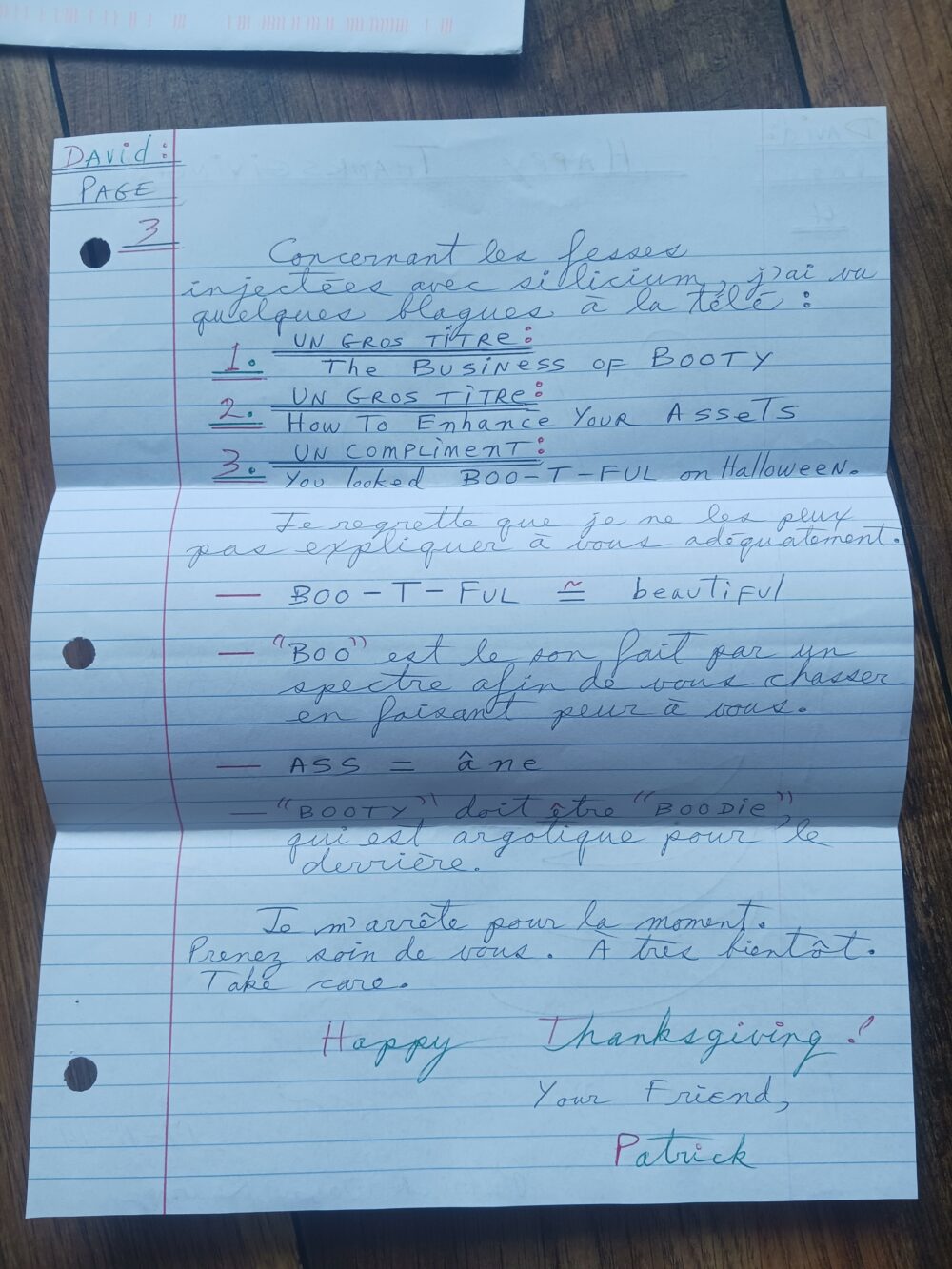
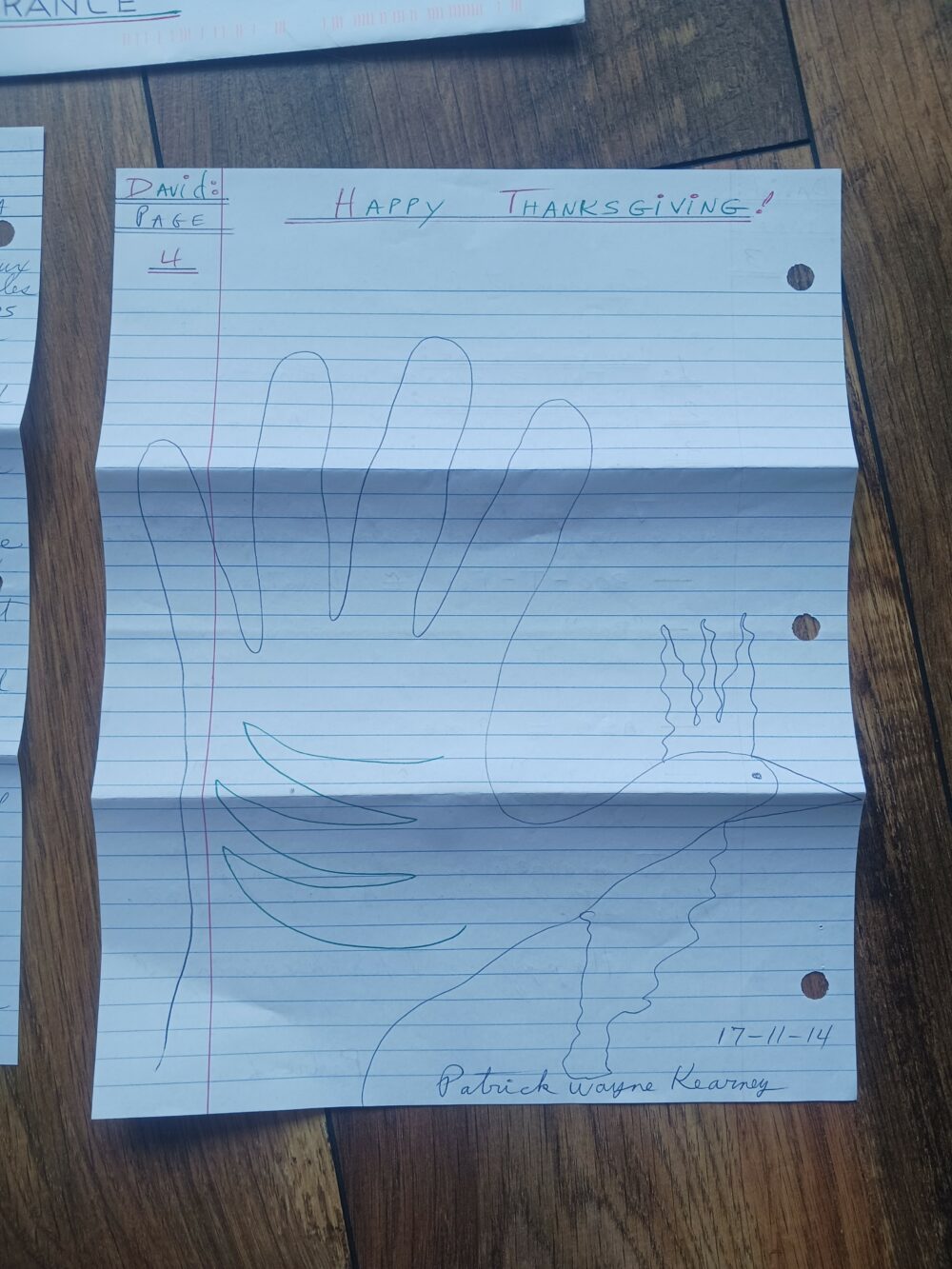
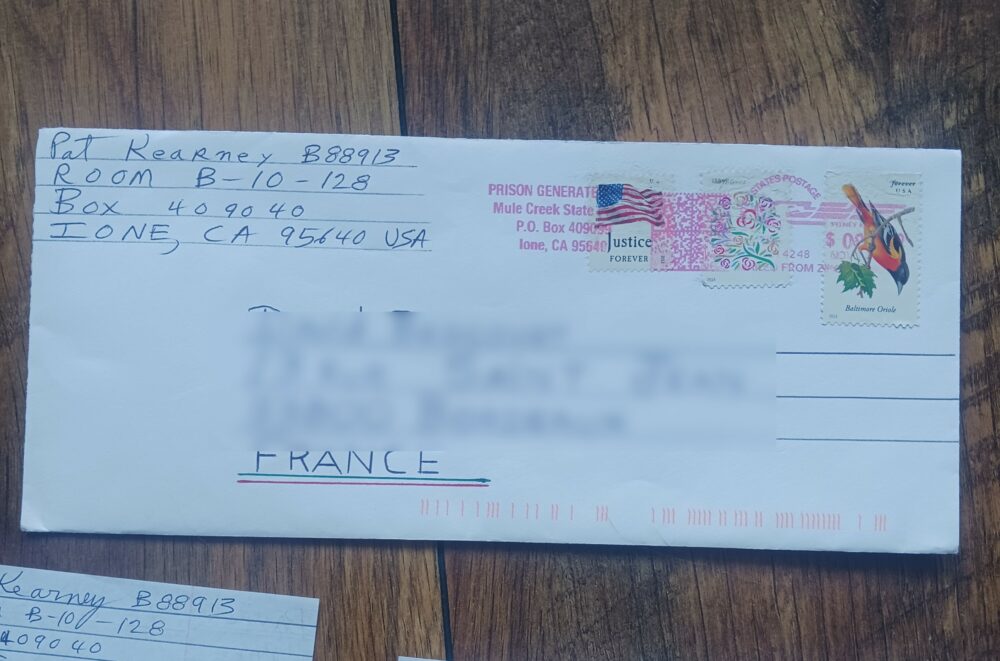
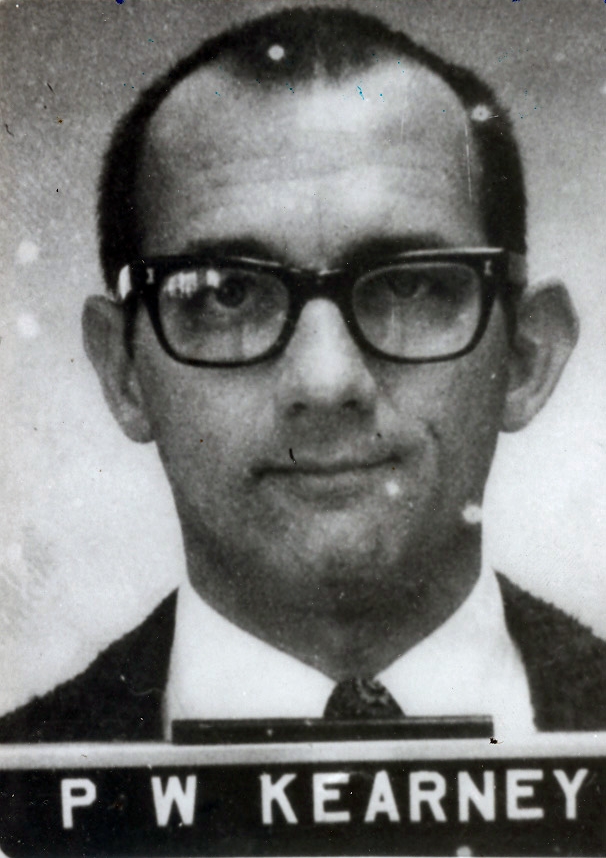






Patrick Wayne Kearney, nicknamed “The Trash Bag Killer” and sometimes referred to as “The Freeway Killer,” is an American serial killer who operated in California between the 1960s and 1977. Described as an exceptionally intelligent man, he was reportedly believed to have an IQ of around 180. An engineer by profession, he worked for the Hughes Aircraft Company and is also said to have served as a consultant for the United States Air Force during the 1960s and 1970s.
He primarily targeted young men, often encountered in gay bars or while hitchhiking.
Unlike many serial killers, Kearney came from a relatively stable family background, although he experienced bullying and social isolation during his childhood. Despite maintaining the image of a discreet and respectable professional, he secretly led a double life as a violent criminal.
His modus operandi involved luring victims into his vehicle, shooting them quickly, then engaging in acts of necrophilia and dismembering the bodies. He disposed of the remains in trash bags left along California highways and remote roadsides. He is believed to have killed between 21 and 43 victims.
His final known murder, that of 17-year-old John Otis LaMay in 1977, ultimately led investigators to him. After fleeing to Texas with his partner David Hill, Kearney was arrested on July 1, 1977.
He confessed to dozens of murders and pleaded guilty in order to avoid the death penalty. In December 1977, he was sentenced to life imprisonment, a sentence he continues to serve today.
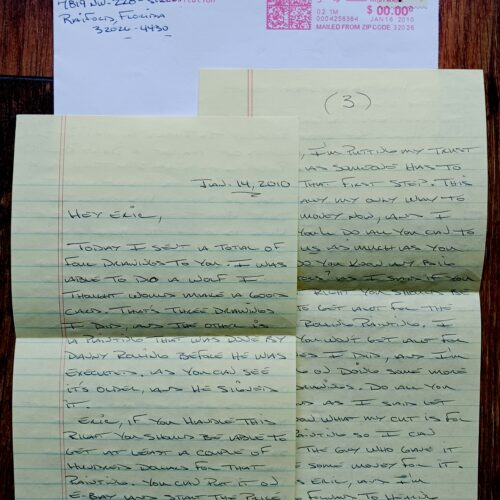
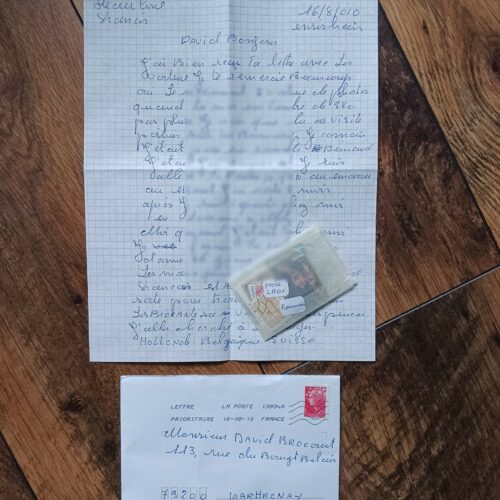
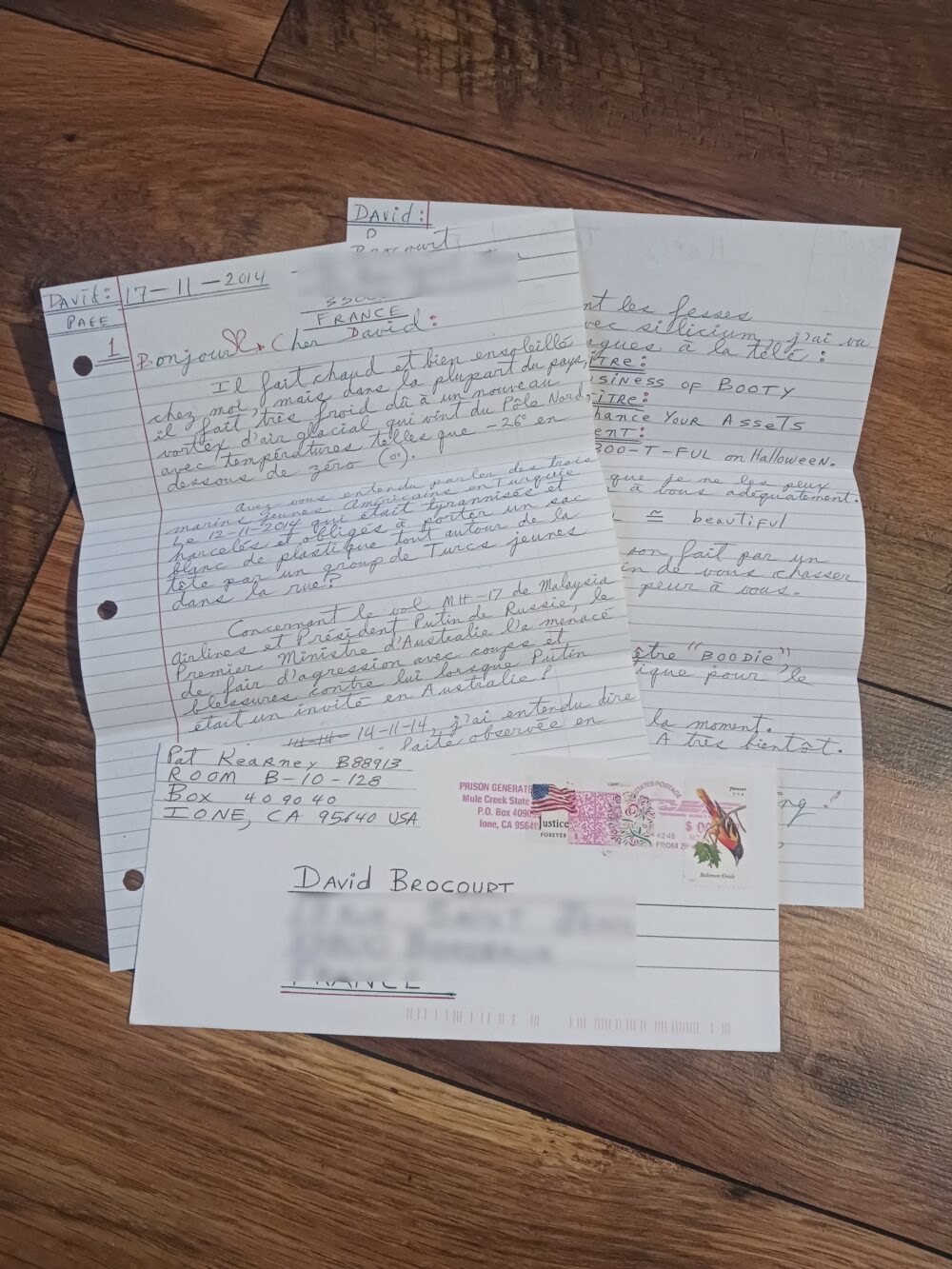
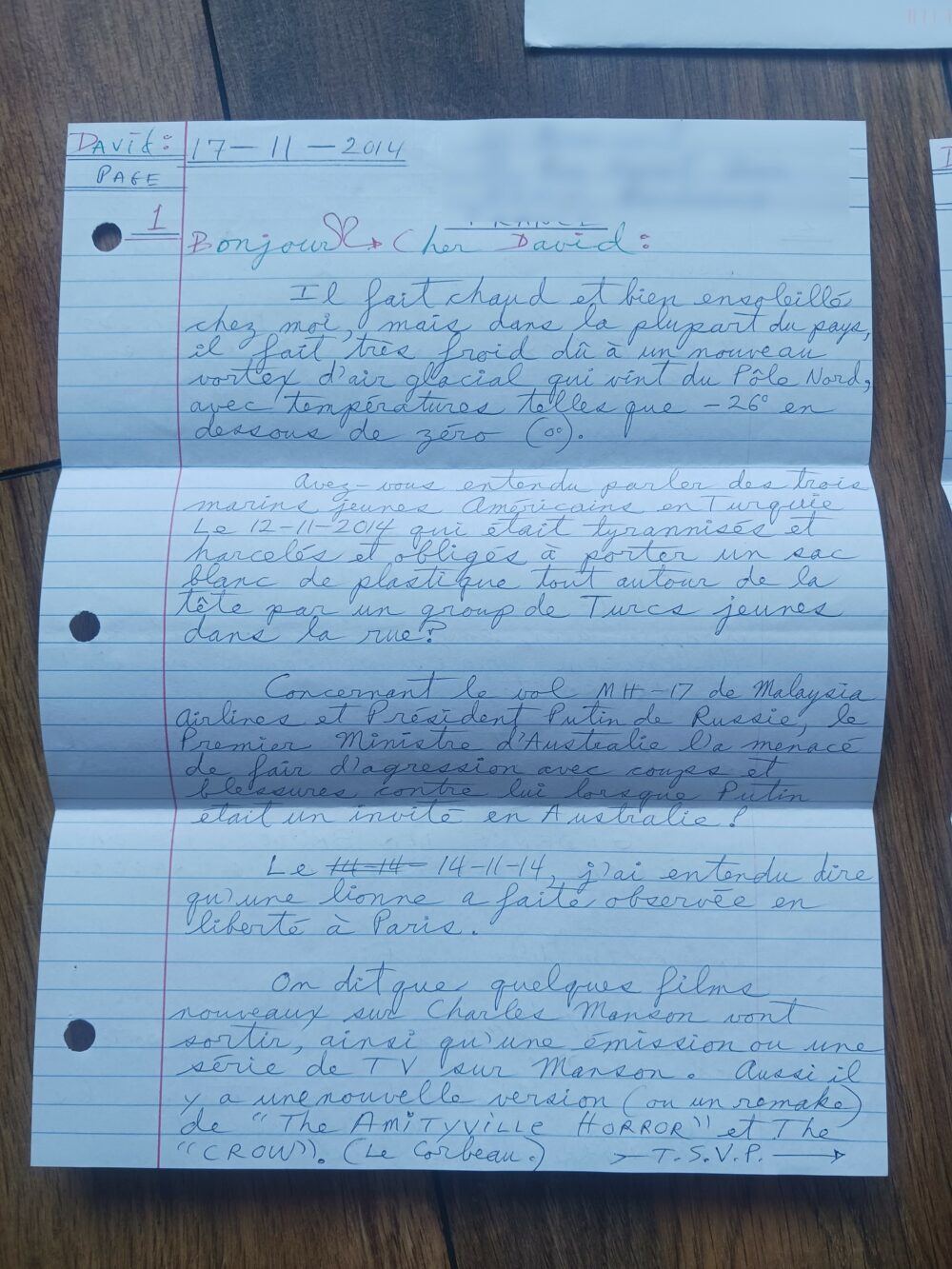
During his incarceration, Patrick Wayne Kearney reportedly maintained extensive correspondence with several notorious criminals, including internationally known serial killers and murderers such as Ian Brady, Patrice Alègre, Marc Dutroux, Francis Heaulme, as well as numerous American serial killers.
He also reportedly shared prison time with infamous inmates including Sirhan Sirhan, Charles Manson, and Herbert Mullin, among others.
According to various accounts and testimonies, Kearney became involved in an informal correspondence network connecting notorious prisoners with people outside prison walls. He allegedly facilitated exchanges of letters, advice regarding prison life, legal strategies, attorney relationships, and forms of mutual support between incarcerated criminals.
His prison life and post-conviction trajectory are often described as particularly unusual and fascinating within the history of American crime. However, some of these claims remain difficult to verify with certainty and are partly based on testimonies, secondary accounts, or informal sources.